





News
A Collection Of Restaurant, Food, Drink And Hospitality News From All Over South Africa
Brewing a Better Future: Sustainability Must Move Beyond the Month - By Charlene Louw, CEO of the Beer Association of South Africa
31 March 2026
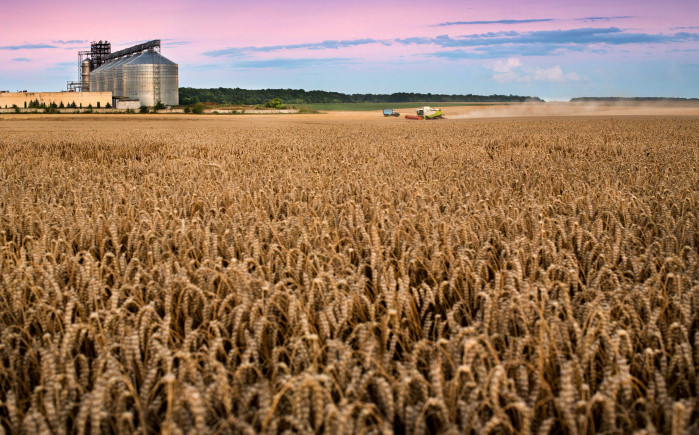
As Sustainability Month comes to an end, South Africa faces a simple reality: sustainability cannot be treated as a once-off campaign. It must be embedded in how industries operate, how policy is shaped, and how economic growth is pursued.
For the beer industry, this is not a future ambition - it is already the standard.
Globally, sustainability has shifted from a “nice to have” to a business imperative. In South Africa, the beer industry is demonstrating that environmental responsibility, economic contribution, and consumer protection can - and must - go hand in hand.
At face value, beer is simple: water, malt, hops and yeast. In reality, it is produced through a highly regulated, quality-driven value chain that spans agriculture, manufacturing, logistics, retail and hospitality. This is where sustainability becomes tangible - and where policy decisions have real consequences.
Local value, national impact
Beer is inherently local. From barley farms to township taverns, the industry supports a deeply embedded ecosystem that sustains thousands of livelihoods.
Local sourcing reduces transport emissions, strengthens food security, and anchors economic activity in communities that need it most. Water stewardship sits at the centre of this model. The threat of the Cape Town Day Zero crisis was a stark warning of what is at stake, not just for brewers, but for the country.
In response, the industry has stepped up. Through partnerships with organisations such as The Nature Conservancy and WWF, The South African Breweries has supported the restoration of critical water catchments in the Western Cape. Clearing invasive alien vegetation is improving water flow, rehabilitating ecosystems, and supporting surrounding communities.
These interventions go beyond environmental compliance. They create jobs, strengthen local resilience, and demonstrate what effective public-private collaboration can achieve. Similarly, HEINEKEN Beverages continues to invest in resource efficiency, local sourcing, and farmer support.
Sustainability, quality and consumer protection
Sustainability in brewing cannot be separated from quality. Every stage of production is governed by strict standards to ensure safety, consistency and product integrity.
This is particularly important in a market where illicit and unregulated alcohol poses serious risks. These products undermine public health, erode consumer trust, and destabilise compliant businesses that invest heavily in sustainability and regulation.
The formal beer industry plays a critical role in setting and maintaining these standards - but it cannot do so in isolation.
The policy gap
If South Africa is serious about sustainability, policy must actively support compliant industries.
Excessive and unpredictable excise increases place pressure on the formal sector, limiting its ability to invest in sustainability, innovation, and jobs. At the same time, these pressures risk pushing consumers toward the illicit market, where there are no quality controls, no environmental standards, and no contribution to the fiscus.
This creates a clear contradiction: while sustainability is prioritised in principle, policy misalignment can weaken the very players delivering on it.
A balanced, evidence-based approach is essential - one that includes predictable excise frameworks, stronger enforcement against illicit trade, and recognition of the role formal industries play in advancing national sustainability goals.
Innovation as a growth lever
Despite these pressures, the industry continues to innovate.
Brewers are investing in technologies that reduce water and energy use, improve efficiency, and minimise waste. Circular packaging systems - including reuse and recycling - are becoming standard practice.
At the same time, the growth of lower- and no-alcohol options reflects changing consumer preferences and a broader commitment to responsible consumption.
This is what modern sustainability looks like: not constraint, but competitiveness.
Beyond the month
Sustainability Month is a reminder - but it is not the main event.
For South Africa’s beer industry, sustainability is a continuous commitment tied to quality, economic contribution, and long-term resilience. The opportunity now is to ensure that policy, enforcement, and industry efforts are aligned to strengthen this progress.
At the Beer Association of South Africa, we remain committed to raising the bar. But sustaining momentum will require a shared commitment - from industry, from policymakers, and from society.
Because sustainability, like brewing itself, is not a once-off process. It is built over time and it must be protected.