





News
A Collection Of Restaurant, Food, Drink And Hospitality News From All Over South Africa
Africa’s Travel Indaba 2026 Drives African Trade and Tourism Growth
16 May 2026
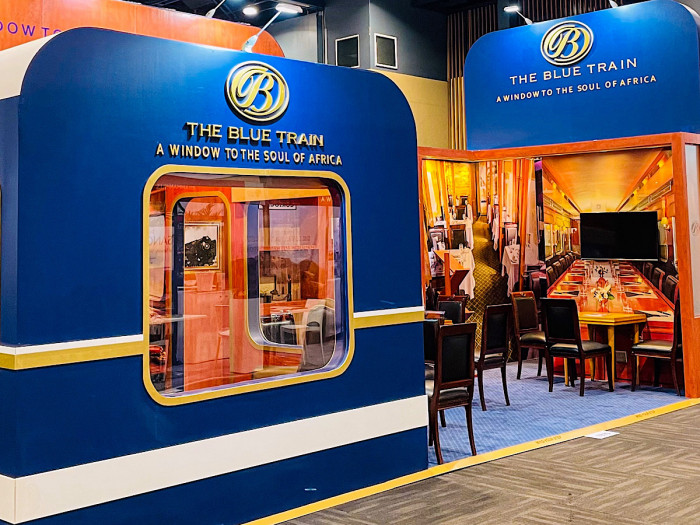
Africa’s Travel Indaba 2026 has concluded on a high note, reaffirming its position not only as one of the continent’s leading tourism trade platforms, but as a powerful driver of economic growth, market access, enterprise development, policy dialogue and continental collaboration.
Hosted in the province of KwaZulu-Natal, in the city of Durban, under the theme “Unlimited Africa: Growing Africa’s Tourism Economy,” this strategic platform reinforced the critical importance of stronger participation from across the African continent to fully unlock Africa’s tourism potential. It also provided an opportunity to showcase the best of Africa’s destinations brands and their offering, signalling the strong alignment with the African Continental Free Trade Area (AfCFTA).
Early projections indicate a significant economic boost for Durban, with hotel occupancy projected at an impressive 97%. The event and related activities are estimated to have attracted approximately 9,810 delegates, including 274 hosted buyers, 637 non-hosted buyers, and 404 registered media generating around R240 million in direct spending and an estimated R835 million in total tourism expenditure, while supporting more than 1,122 jobs.
Commenting on the event’s overall performance, South African Tourism Chief Convention Bureau Officer, Corne Koch, said: “Africa’s Travel Indaba 2026 has demonstrated the power of this platform to connect Africa to the world while delivering measurable value for our tourism economy. This year’s show reflects both the scale of global interest in Africa’s tourism offering and the confidence in South Africa’s ability to host world-class trade platforms. These figures are not just numbers, they represent trade opportunities, destination visibility, enterprise inclusion and long-term growth for Africa’s tourism economy.”
“We have proved beyond doubt that Africa’s Travel Indaba belongs here in KwaZulu-Natal. The focus now is to build on the lessons and momentum of this year’s event while ensuring stronger participation from all African states so that the platform truly reflects the full strength and potential of Africa’s tourism economy,” said Interim CEO of KZN Tourism and Film, Sibusiso Gumbi.
Gumbi said KwaZulu-Natal’s presence at this year’s Africa’s Travel Indaba reflected a deliberate focus on positioning tourism as a driver of investment, enterprise development and long-term economic growth.
The City of Durban also welcomed the event’s broader economic and destination impact. Deputy Director of Durban Tourism within eThekwini Municipality, Ms Winile Mntungwa, said: “The confidence shown by delegates, buyers, media, and international stakeholders confirms Durban’s readiness to host world-class events through our strong infrastructure, hospitality, logistics, and safety standards. What has been particularly exciting is the quality of participants, both regionally and globally, attending this year’s Indaba, which we believe will translate into meaningful business deals and long-term partnerships.
Beyond business exchange, Africa’s Travel Indaba 2026 elevated its role as a platform for shaping the future of African tourism through strategic dialogue, innovation and practical collaboration.
Approximately 300 Durban University of Technology tourism students were provided with vocational and skills development opportunities through active roles in event operations, ushering and delegate services, contributing to long-term workforce readiness and sector sustainability.
As Africa’s Travel Indaba 2026 concludes, it leaves behind more than strong economic figures. It leaves behind proof of tourism’s power to create jobs, unlock markets, strengthen policy dialogue, accelerate innovation, empower communities and deepen African collaboration.
Africa’s Travel Indaba remains more than a trade show. It is a strategic continental platform where Africa’s tourism economy is profiled, partnerships are forged, barriers are challenged, and the future of African tourism is shaped.